Comprehensive Guide to Car Key Replacements: Understanding Your Options
In today's busy world, losing or damaging a car key is a progressively common affair. Car key replacements have evolved substantially for many years with developments in technology, and car owners now have a variety of choices to consider. This short article will explore the various kinds of car keys, approaches for replacement, expense implications, and other important considerations for car key replacements.
Kinds Of Car Keys
Understanding the kinds of car keys is essential for understanding the replacement choices readily available. Below is a summary of the numerous types:
| Type | Description |
|---|---|
| Conventional Key | A non-electronic key that mechanically unlocks and ignition. |
| Transponder Key | A key ingrained with a microchip that communicates with the car's ignition system for included security. |
| Key Fob | A push-button control used to open doors and begin the engine wirelessly. Typically consists of a transponder chip. |
| Smart Key | Allows keyless entry and ignition, using distance sensors and advanced technology. |
| Valet Key | A restricted key that restricts access to certain features of the vehicle, generally used by parking attendants. |
Understanding the Replacement Process
When it comes to car key replacements, it is important for car owners to be aware of the alternatives readily available. The following methods highlight how car keys can be changed:
1. Dealership Replacement
- Process: The vehicle owner checks out the car dealership and supplies evidence of ownership. The car dealership might need the Vehicle Identification Number (VIN) and additional identification.
- Pros: Trusted source, guaranteed compatibility, often consists of programs.
- Cons: Typically the most costly option.
2. Professional Locksmith
- Process: A certified locksmith professional visits the car area or runs from their shop. They cut and program the replacement key.
- Pros: Generally less expensive than car dealerships and can provide a range of key choices.
- Cons: Limited capability for some sophisticated keys and fobs, might not have OEM (Original Equipment Manufacturer) parts.
3. Do-It-Yourself (DIY)
- Process: Car owners can buy key blanks and programming kits online or from hardware shops. Follow particular guides for shows.
- Pros: Cost-effective and convenient.
- Cons: Risk of errors, lack of professional quality, and potential security concerns.
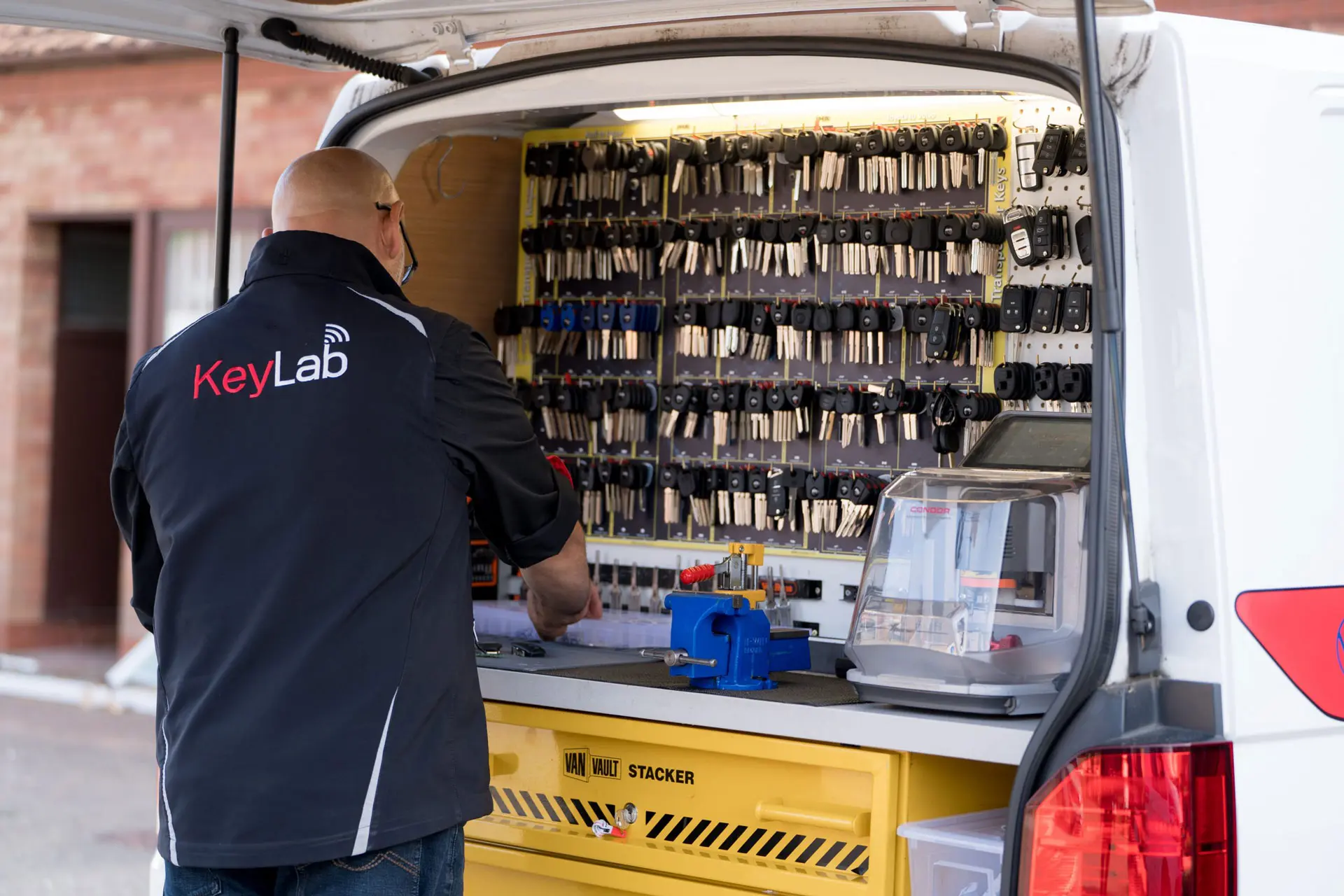
4. Mobile Key Cutting Services
- Process: Mobile services come to your area to cut and set keys.
- Pros: Convenient and frequently more affordable.
- Cons: May require a waiting duration, and rates differ based on range and service quality.
5. Insurance coverage Coverage
- Process: Some vehicle insurance plan cover losses due to stolen or lost keys.
- Pros: Potentially substantial expense savings.
- Cons: Coverage limits and prospective deductibles might use.
Factors Influencing Replacement Costs
The expense of changing a car key can differ widely depending on several elements, such as:
- Type of Key: Traditional keys are typically less costly to replace than transponder keys or clever keys.
- Design and Make of Vehicle: Luxury and newer models may have higher replacement expenses due to advanced technology.
- Area: The average market rates for locksmith professional services or dealerships can influence pricing.
- Key Programming: Programming costs may be separate from key cutting expenditures.
Here's a general breakdown of replacement expenses:
Estimated Costs of Car Key Replacement
| Key Type | Approximated Cost Range |
|---|---|
| Standard Key | ₤ 5 - ₤ 25 |
| Transponder Key | ₤ 50 - ₤ 300 |
| Key Fob | ₤ 50 - ₤ 600 |
| Smart Key | ₤ 200 - ₤ 600 |
| Valet Key | ₤ 10 - ₤ 30 |
Vital Considerations
While checking out car key replacements, it's essential to remember of the following:
- Proof of Ownership: Always have paperwork that shows ownership when looking for a replacement.
- Security Concerns: Keep in mind that lost keys present security risks; if there's an issue, think about rekeying locks.
- Guarantee and Insurance: Check if your car is under warranty and if it covers key replacements.
- Future Security: Consider updating to more secure choices like wise keys if your vehicle supports it.
Frequently Asked Questions About Car Key Replacements
Q1: Can I replace my car key myself?A1: Yes, it is possible to replace your car key yourself, especially if you purchase key blanks and have programs tools. Nevertheless, ensure you follow instructions precisely to avoid problems.
Q2: How long does it require to replace a car key?A2: Replacement time depends on the technique used. Dealers might take longer due to programming, while mobile locksmith professionals can often do it on-site within minutes.
Q3: What should I do if I lost my car key?A3: If you lose your car key, evaluate your requirements and decide on a replacement approach. Consider contacting a locksmith or your vehicle's car dealership for next actions.
Q4: Are replicate keys considered replacements?A4: No, duplicates are copies of existing keys, while replacements are new keys made when the original is lost, broken, or not functioning.
Q5: Will my car's alarm system be affected if I replace the key?A5: It depends on the key type. Generally, next page programmed replacement will not affect the alarm system. However, some keys may require to be synced or set to the alarm system.
Car key replacements are more uncomplicated than they have ever been, yet understanding the various choices and their ramifications can save money and time. By acquainting oneself with the types of keys, the replacement process, and prospective costs, car owners can browse this challenge with greater ease. Whether choosing a dealer, locksmith, or a DIY method, remaining notified ensures smarter decisions for protecting vehicular access.